what readers have said about the book
S. in Vancouver wrote ...
You've done a really good job of breaking down the complex neuroscience ideas into more manageable and actionable ideas for parents. I especially like the exercises at the ends of the chapters, to move the theory into the more concrete practice domain. I have been recommending your book to peers.
H. in Vancouver said ...
Highly effective brain-based parenting ideas presented in a user-friendly way
The experience of reading this book is like having a cozy chat over tea with a good friend who gives you encouragement, support and practical neuroscience-backed advice. This book is useful that I'm recommending this book to the parents of all my child clients!
T. in North Vancouver writes ...
This book offers a compassionate, eye-opening perspective on brain development and emotional regulation. The author explains complex concepts in a clear, relatable way, making it feel like a heartfelt conversation rather than a lecture. As I read, I often thought, "I wish I had this knowledge when I was raising my son." Instead of regret, it left me with self-compassion, insight and a deeper understanding of connection over perfection.
S. in Coquitlam noted ...
Overall, I found the book very easy to read and understand. I ended up having to read it over several weeks and it was easy to come back to and continue where I left off each time. I found it insightful and useful and I intend to reference the various suggestions when I am a parent myself.
M. in Toronto wrote ...
I really enjoyed Parenting in the 21st Century. It’s such a good read and honestly a great reminder for all of us trying to raise kids in a world that feels very different from how we grew up. It’s practical, relatable, and an enjoyable read. I see value from both a parents perspective but also for an educators too. Understanding why our children behave the way they do really reminds us to empathize with their emotions and prioritize our connection. I think every parent and teacher could take something valuable from this book.
A. in Vancouver says ...
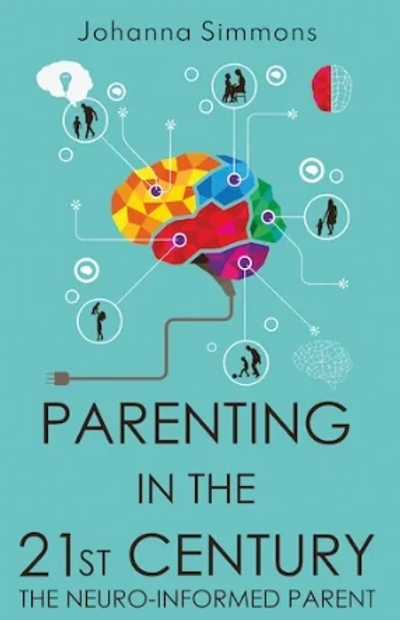
Parenting in the 21st Century provides an accessible introduction to neuro-informed parenting and highlights the importance of emotional safety in the parent–child relationship. I appreciated the emphasis on curiosity, connection, and regulation rather than quick fixes. Johanna Simmons encourages parents to slow down, look beyond behaviour, and consider what might be happening for a child emotionally and neurologically. It’s a thoughtful read for parents who want to better understand their children while reflecting on their own responses.
From M. in British Columbia
I share the other readers’ views of how relatable this book is. The writer’s depth and breadth of knowledge about children, parenting and parent-child relationships is evident throughout the text.
The first two chapters about children’s brain development and the Autonomic Nervous System, information that could often be difficult to grasp, are delivered in straightforward language and examples.
Although the book’s title may suggest a scientific focus, the author consistently underscores the importance of connection, curiosity, and attunement—qualities that are essential for nurturing and strengthening the parent-child relationship.
Throughout her book, the author emphasizes that for parents to truly connect with their children, they must first connect with themselves and their own nervous systems. The bonus is that parents do not only foster stronger connections with their children but also experience personal growth themselves.
This book is like a treasure trove of parenting knowledge and tools. It is packed with practical tips, real life scenarios that parents can relate to, step-by-step guidance, and incorporates fun and humour.
This is a parenting book that parents will keep on their bookshelves and refer to again and again. As a child therapist, I know I will recommend it to my parent clients.
D. in the US says ...
This is one of the handbooks that should come with your first child. Although our children are well beyond the developmental years covered by the book, we see the patterns and mistakes we made assuming their minds were developed enough to understand and learn from our explanations and punishments. This will be so helpful now as we interface with our grandsons. It is an easy read; it doesn’t sound like a textbook or clinical treatise. The author shares stories from her own experiences as a mother and now counselor. Get a copy now and share it!
A word from S. in Vancouver
I just finished reading your great little book and I feel confidently neuro- informed! It reads like a therapy session and I really like how you refer back to important points. This is a substantial piece of work.
G. from Surrey says...
An absolutely wonderful book!! Very informative, with many great ideas and suggestions on how to help our children and ourselves handle big emotions and navigate stressful situations. Easy to read and understand.
This book was written with love and humor. Wish it were available when my children were small!
Anyone with children or working with children should read this book.
Read review in Coast Reporter
Read the article here.
